All About Estates
By Dave Madan, ScotiaTrust
September 4th, 2025
AI Generated Wills: Can a Court Fix a Robot’s Mistake?
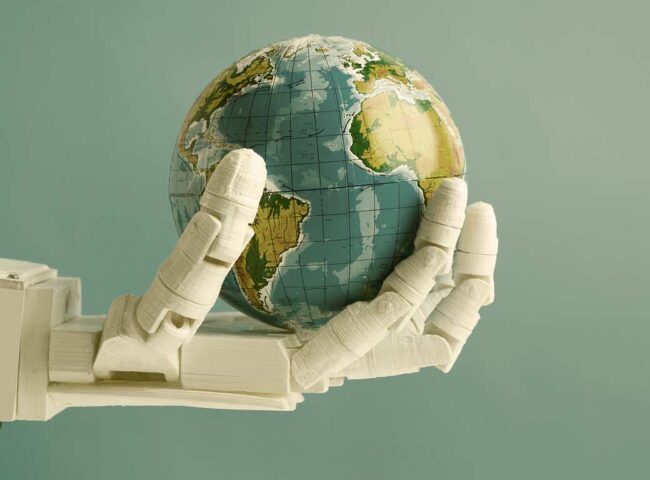
AI has started writing Wills. That might sound futuristic, but it’s already happening. Generative tools can churn out documents that look polished, formatted, and ready to sign. But what happens when those words don’t match what the person actually intended? Can a court fix an AI-generated Will the way it might fix a solicitor’s drafting error?
Think of AI-drafted Wills like self-driving cars. On a clear highway, they may stay in their lane. But would you hand over the wheel in a snowstorm with your family in the back seat? Probably not. That’s the risk here – these systems can appear competent until things get complicated.
Canadian courts do have a tool for correcting mistakes in Wills. It’s called rectification, and it allows a judge to step in when the text on paper doesn’t reflect what the testator actually instructed.
The problem with AI is the lack of proof. When a solicitor drafts a Will, there’s usually a paper trail: notes from meetings, email correspondence, multiple drafts, billing records. All of this becomes valuable evidence if a dispute arises. With AI, the “process” may be nothing more than a single vague prompt typed into a chatbot at midnight. Unless the client saved screenshots or kept detailed notes, there’s nothing for a court to examine. And without reliable evidence, rectification simply isn’t available.
Even if an AI system produces something that looks valid, the risks are obvious. A broad phrase like “make sure my children are taken care of” could exclude stepchildren or other dependants. Tax planning might be ignored. Fraud and manipulation are real possibilities – imagine a “deepfake” Will appearing after someone’s death. And in the end, families could be forced into costly disputes, draining the estate the testator meant to preserve.
Canadian judges may one day be asked to decide whether an AI-generated Will can be saved. Courts have already validated unconventional documents like unsigned drafts, handwritten notes, even unsent text messages, but those decisions all depended on strong supporting evidence of intent. Without that context, an AI draft is more like a sketch than a binding testament.