
Samuel, Sayward & Baler LLP
June 1st, 2022
Even “under-the-radar” decisions, by the U.S. Supreme Court, have far-reaching consequences and significant impact on the law.
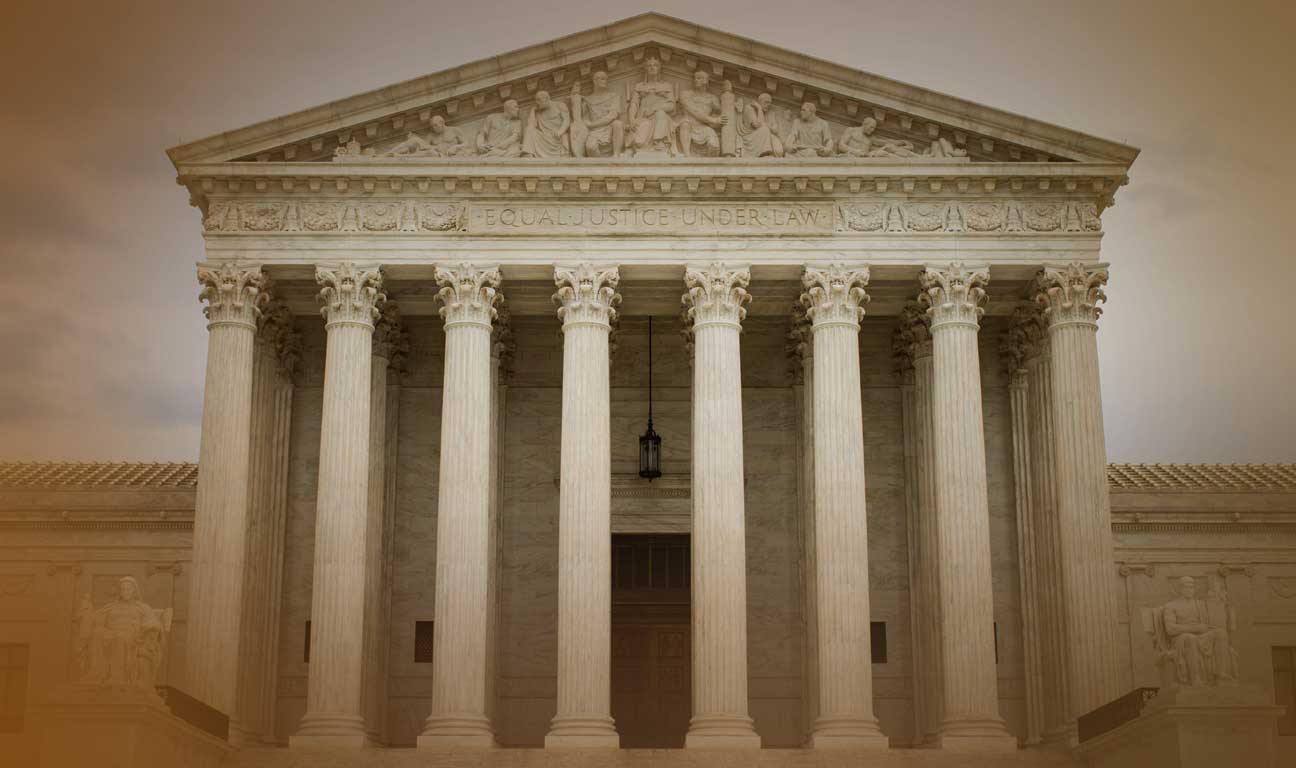
Last month’s leak of a draft U.S. Supreme Court opinion that would overturn the constitutional right to abortion in most circumstances has led to the Court dominating the news yet again and serves as a reminder of the far-reaching consequences of the Supreme Court’s decisions.
Although the handful of decisions on hot-button issues released by the Court every June frequently dominate the headlines and the public’s conception of what the Court does, it is important to remember that the Supreme Court also hands down numerous “under-the-radar” decisions that have far-reaching impacts on all areas of the law, including estate planning and elder law.
As the month of June begins and the Court prepares to wrap up another term, we thought now would be a good time to showcase five Supreme Court decisions that have impacted estate planning and elder law.
- Nichols v. Eaton (1875):
Considered by some legal scholars to be the most important trusts and estates opinion ever produced by the Supreme Court, it could be argued that this decision laid the foundation for modern estate planning… - United States v. Windsor (2013):
It is a happy coincidence that the Supreme Court’s tradition of releasing opinions on hot-button issues in June has meant that several monumental decisions affecting LGBTQ rights have been issued during Pride Month, giving members of the LGBTQ community added reason to celebrate each June… - Clark v. Rameker (2014):
This case deals with creditor protections for tax-qualified retirement assets (e.g., 401(k)s, IRAs, etc.)… - Sveen v. Melin (2018):
While it is undoubtedly best practice to update beneficiary designations after a divorce, for a variety of reasons this doesn’t always happen… - North Carolina v. Kimberley Rice Kaestner 1992 Family Trust (2019):
In the modern era, it is more common than ever for families to wind up spread out across the country…
With the exception of the Windsor case, which was hotly contested and decided on a 5-4 basis with three rather vociferous dissenting opinions, none of the Supreme Court cases mentioned [in this article] were particularly controversial or headline-grabbing. In fact, most dealt with fairly technical issues of interpretation.